Upper vs Lower Antelope Canyon: Which One Should You Visit?
Antelope Canyon sits on Navajo land just outside Page, Arizona, and it comes in two distinct sections. Most people picture the wide, cathedral-like chambers with shafts of light pouring down from above. That is Upper Antelope Canyon, known locally as The Crack. It is the more photographed of the two, and for good reason. Those light beams appear from roughly late spring through midsummer, usually around midday. If capturing that shot is the whole point of your trip, Upper is the one to book.
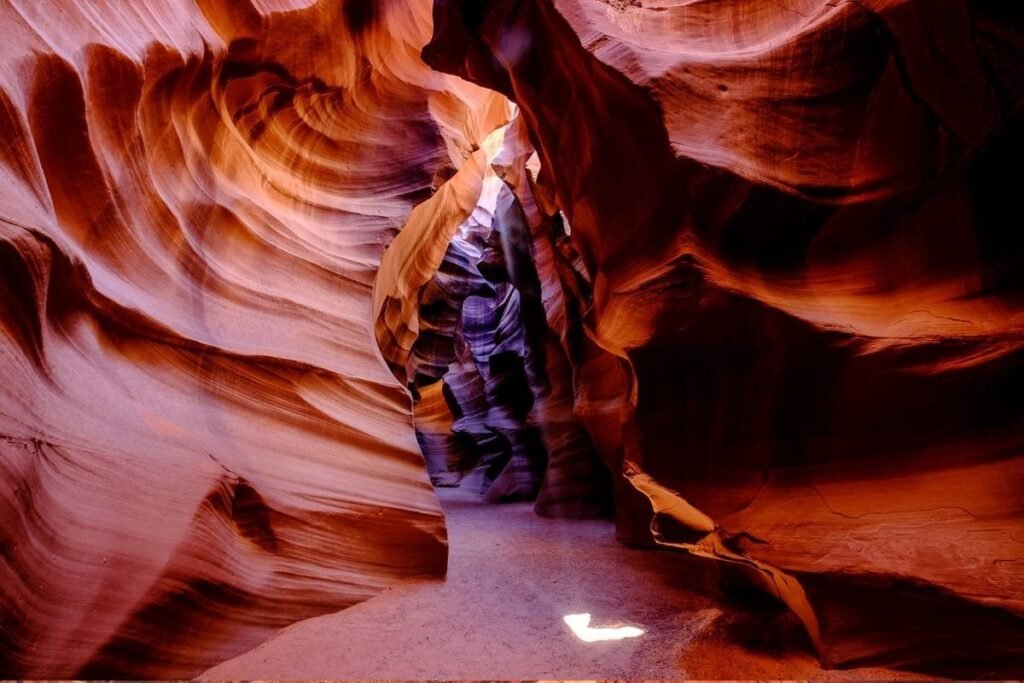
Lower Antelope Canyon, known as The Corkscrew, runs deeper into the earth and requires climbing ladders to move through it. The light is less dramatic, but the rock formations are arguably more intricate. Colors shift from burnt orange to deep purple depending on the time of day. Lower tends to draw smaller crowds and often costs a little less to enter. For a combined experience that also takes you to Horseshoe Bend, a Lower Antelope Canyon and Horseshoe Bend day tour from Las Vegas lets you hit both landmarks without any of the logistics headaches.
One thing that catches a lot of visitors off guard: you cannot walk into either section on your own. Both Upper and Lower Antelope Canyon require a licensed Navajo guide. Permits sell out weeks, sometimes months, in advance during peak season, which runs from March through October. Book early and confirm your reservation well before you travel.
Getting There, Timing Your Visit, and What to Bring
Page, Arizona is roughly 270 miles from Las Vegas, which puts it about four hours by car through some genuinely spectacular desert scenery. Many visitors drive themselves, but if you would rather skip the rental car and navigation, a guided tour from Las Vegas makes the trip considerably easier. The Antelope Canyon guided tour from Las Vegas covers transportation, the guided canyon walk, and typically includes a stop at Horseshoe Bend, all in a single long day.
Timing matters more here than at almost any other canyon destination. The famous light beams in Upper Antelope Canyon only appear when the sun is directly overhead, roughly between 11 a.m. and 1:30 p.m. from late March through early September. Outside of that window, the canyon is still beautiful, but the beams will not be there. If photography is your priority and you want to shoot at night, there are specialty Antelope Canyon night photography tours that let you set up a tripod inside the slot canyon after the day crowds are gone.
What to pack is straightforward but important. Wear closed-toe shoes with decent grip. The sand inside can be deep and soft in places, and the narrow passages require some ducking and maneuvering. Leave large backpacks and tripods behind unless your tour specifically allows them. A wide-angle lens or a phone with a solid low-light mode will serve you well. Dress in layers since the canyon floor stays cool even when temperatures outside push past 100 degrees in summer.
The area around Page has limited dining options, so bring snacks and water for the drive. If you are spending a night, Page itself has hotels at a range of price points, and booking at least two months ahead in summer is not an overreaction. The town fills up fast when canyon season peaks.