
What February Weather Actually Looks Like at Antelope Canyon
February sits squarely in the off-season for Page, Arizona, and that works in your favor in more ways than one. Antelope Canyon weather in February is cool and dry, with daytime highs typically ranging from the mid-40s to the low 60s Fahrenheit. Mornings can dip below freezing, so layers are not optional, they are essential. By early afternoon, temperatures often climb enough that a light jacket is all you need, but the desert cools fast once the sun drops.
Precipitation in February is low, averaging less than half an inch for the month. That said, the Colorado Plateau is unpredictable, and cold fronts can sweep in with little warning, bringing light snow or freezing rain to the surrounding canyon country. The slot canyon itself offers natural shelter from wind, but the access trails leading in and out are fully exposed.
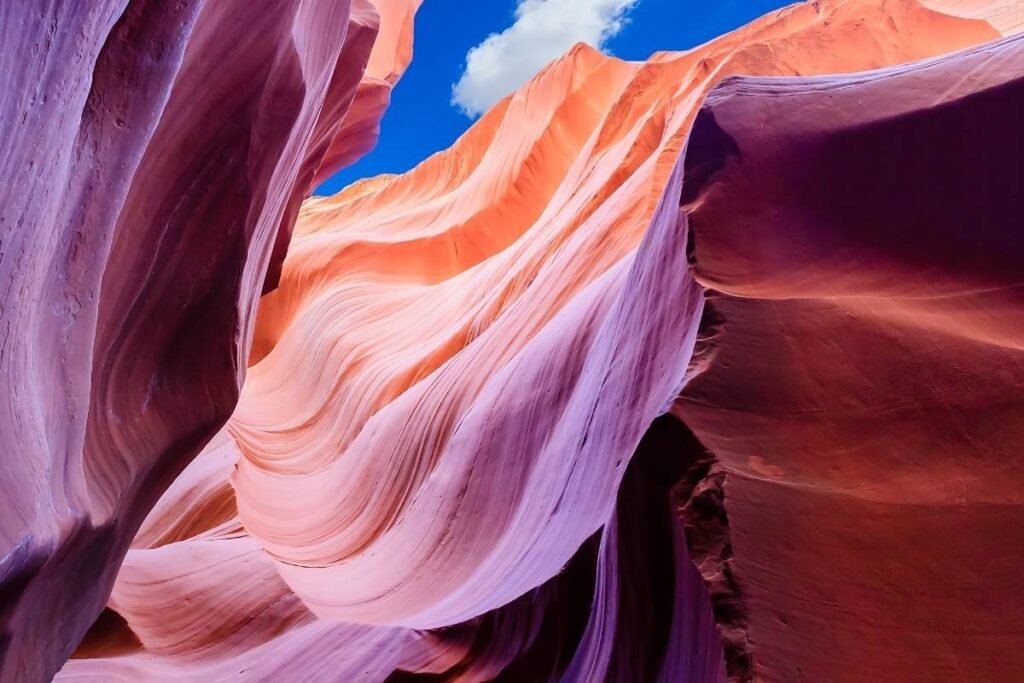
One thing February visitors genuinely appreciate is the light. The sun stays lower in the sky all month, which means the famous light beams that pierce through the sandstone narrows appear at different angles than in summer. The beams are less dramatic than the peak July shows, but the canyon walls glow with deep, saturated oranges and reds that photograph beautifully in the cooler, softer winter light. If photography is your priority, the Antelope Canyon Night Photography Tour is worth serious consideration for something completely different.
Practical Tips for Visiting in February
Crowds are significantly thinner in February compared to spring and summer. Tour slots are easier to book, guides have more time with each group, and the overall pace inside the canyon feels relaxed. If you have been putting off this trip because of the summer chaos, February is a genuinely good window to go.
Here is what to pack and plan for:
Layered clothing: Start your morning with a base layer, a mid-layer fleece, and a wind-resistant outer shell. The canyon interior stays a few degrees warmer than outside, but the walk to and from your vehicle can feel biting early in the day.
Closed-toe shoes: The sandy floor inside the canyon is fine, but the surrounding terrain can be icy or muddy in February. Leave the sandals at the hotel.
Flash flood awareness: Flash floods are rare in February but not impossible. Rain falling miles away in the watershed can surge through the slot canyon with little warning. Your guide will keep an eye on conditions, and tours are canceled when risk is elevated. Trust that process.
Camera settings: The lower light in February means slower shutter speeds. Bring a tripod if you plan to shoot inside, and be ready to bump your ISO in the darker sections of the lower canyon.
Most visitors coming from Las Vegas pair Antelope Canyon with Horseshoe Bend on the same day, which makes complete sense given how close the two sites are. The Lower Antelope Canyon and Horseshoe Bend Day Tour covers both in one efficient trip, saving you the hassle of renting a car and navigating the area on your own. If you want to see both Upper and Lower Antelope Canyon alongside other Southwest landmarks, the Antelope Canyon Guided Tour from Las Vegas is another solid option that covers a lot of ground in a single day.
February is one of those months where the experience quietly exceeds expectations. The light is moody, the crowds are manageable, and the canyon itself does not change with the season. The sandstone is just as stunning in winter as it is in July, and for many travelers, the quieter atmosphere makes it more memorable.